
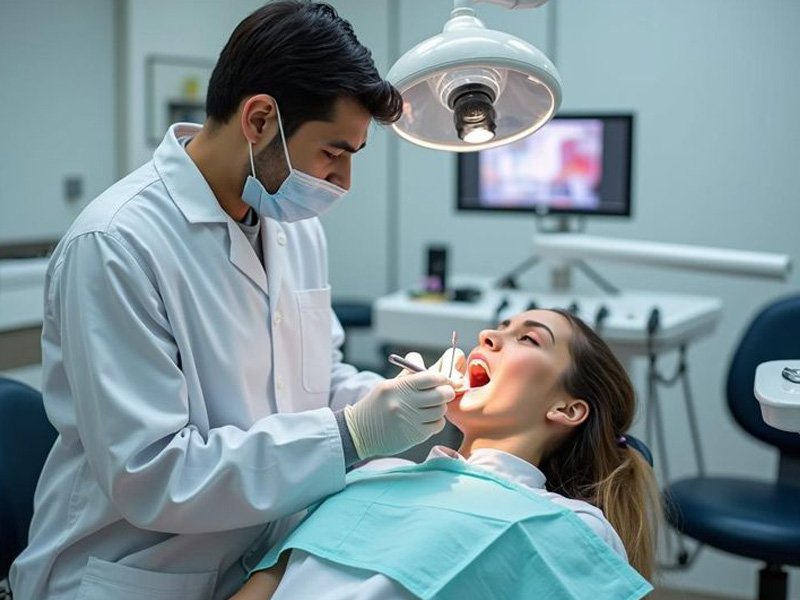
How Often Should You Really See a Dentist?
Many people assume that everyone should visit the dentist every six months. While this is a common schedule, the right frequency is not exactly the same for every patient.
Some people may only need one or two routine visits per year, while others may need more frequent appointments because of gum problems, tooth decay, orthodontic treatment, existing dental restorations, or other oral health risks. Your dentist should recommend a schedule based on the condition of your teeth and gums.
Regular dental visits are not only about treating toothache. They help your dentist detect early changes, protect your gums, review your daily oral-care routine, and prevent small problems from becoming more complicated.
Why Are Regular Dental Check-Ups Important?
Tooth decay and gum disease can begin without causing obvious pain. Waiting until a tooth hurts may mean that the problem has already progressed and requires more extensive treatment.
During routine dental visits, your dentist can look for early signs of:
- Tooth decay
- Gum inflammation or gum disease
- Cracked or damaged teeth
- Worn fillings, crowns, or bridges
- Bite and jaw problems
- Oral infections
- Unusual changes inside the mouth
A dental examination may also include an assessment of the lips, gums, tongue, mouth, and neck. Dental X-rays may be recommended when clinically necessary to examine areas that cannot be seen during a regular visual examination.
Is Visiting the Dentist Every Six Months Necessary?
For many patients, a check-up every six months is a practical preventive schedule. However, it should not be treated as a strict rule for everyone.
A person with healthy teeth and gums, good oral hygiene, and a low risk of dental problems may be advised to attend less frequently. Someone with active decay, gum disease, frequent dental problems, braces, implants, or certain health conditions may need to visit more often.
The correct interval should be decided after your dentist assesses your oral health, lifestyle, medical history, and risk of developing future dental problems.
Who May Need More Frequent Dental Visits?
Your dentist may recommend appointments every three to six months when closer monitoring is needed.
More frequent visits may be beneficial for people who:
- Frequently develop cavities
- Have bleeding, swollen, or sensitive gums
- Have been diagnosed with gum disease
- Wear braces or clear aligners
- Have dental implants, crowns, bridges, or dentures
- Experience persistent dry mouth
- Smoke or use tobacco products
- Have difficulty maintaining good oral hygiene
- Have certain medical conditions or take medications that affect oral health
- Are pregnant and experiencing changes in their gums
- Have previously undergone extensive dental treatment
The purpose of these appointments is not always to perform treatment. In many cases, the dentist is monitoring changes, evaluating healing, checking restorations, or preventing an existing issue from worsening.
What Happens During a Routine Dental Check-Up?
Your dentist will usually begin by asking whether you have experienced pain, sensitivity, bleeding gums, difficulty chewing, jaw discomfort, or any other changes since your previous visit.
The examination may include:
Checking Your Teeth
The dentist looks for cavities, cracks, worn enamel, damaged fillings, and other visible concerns.
Examining Your Gums
Healthy gums should not regularly bleed or remain swollen. The dentist may assess the condition of the gums and look for signs of inflammation or gum disease.
Reviewing Existing Dental Work
Fillings, crowns, bridges, implants, veneers, and dentures may be checked to confirm that they remain stable and functional.
Assessing Your Bite and Jaw
The dentist may check how your teeth come together and ask whether you experience jaw clicking, pain, teeth grinding, or headaches.
Examining the Mouth
The tongue, cheeks, lips, and other areas inside the mouth may be examined for unusual changes.
Discussing Your Oral-Care Routine
Your dentist may ask how often you brush, how you clean between your teeth, what products you use, and whether any part of your routine could be improved.
Is a Dental Check-Up the Same as Teeth Cleaning?
A dental examination and a professional cleaning are related, but they are not exactly the same service.
During the check-up, the dentist evaluates the health of your teeth, gums, bite, and mouth. During professional cleaning, plaque and hardened tartar are removed from areas that may be difficult to clean properly at home.
Your dentist or dental hygienist will advise how often professional cleaning is appropriate based on the amount of tartar present and the condition of your gums.
Good brushing and cleaning between your teeth remain essential, but they do not replace professional examinations.
Should Children Visit the Dentist Regularly?
Yes. Regular dental visits help monitor the development of a child’s teeth, identify decay early, evaluate oral habits, and help children become comfortable with dental care.
The recommended schedule depends on the child’s age, oral health, diet, brushing routine, and risk of developing cavities. Children with healthy teeth may be advised to attend annually, while children with a higher risk of dental problems may need more frequent appointments.
Parents should not wait for a child to complain of pain before arranging an examination. Early dental concerns may not always cause clear symptoms.
Signs You Should Visit Before Your Next Check-Up
Do not wait for your scheduled routine appointment if you notice a new or worsening dental problem.
Contact a dentist if you experience:
- Persistent toothache
- Pain when biting or chewing
- New sensitivity to hot or cold
- Bleeding or swollen gums
- Gum recession
- Persistent bad breath
- A loose adult tooth
- A cracked, broken, or chipped tooth
- A damaged filling or crown
- Swelling around the mouth or face
- A mouth ulcer or unusual change that does not heal
- Difficulty opening your mouth
Severe swelling, facial trauma, uncontrolled bleeding, difficulty breathing, or difficulty swallowing may require urgent medical or emergency assessment.
What Happens If You Avoid Dental Check-Ups?
Skipping dental appointments does not necessarily mean that you will immediately develop a problem. However, it increases the chance that early changes will remain unnoticed.
A small cavity may eventually require a larger filling, root canal treatment, or extraction if it continues to progress. Early gum inflammation may also develop into more advanced gum disease without appropriate care.
Preventive examinations allow problems to be identified while they may still be easier to manage.
How Can You Protect Your Teeth Between Visits?
Your daily habits play an important role in maintaining your oral health.
Between dental appointments:
- Brush your teeth twice daily using fluoride toothpaste.
- Clean between your teeth every day with floss or another suitable interdental product.
- Limit frequent sugary snacks and drinks.
- Avoid smoking and tobacco use.
- Wear a mouthguard if you play contact sports.
- Follow your dentist’s instructions for braces, implants, dentures, or other dental work.
- Contact the clinic when you notice pain or unusual changes.
Your dentist can recommend products and techniques that are appropriate for your individual needs.
Book Your Dental Check-Up at Achira Clinics
At Achira Clinics, our dental team provides preventive, general, restorative, cosmetic, orthodontic, pediatric, and surgical dental care.
Whether you are due for a routine examination, experiencing a dental concern, or want professional advice about your oral health, our dentists can assess your needs and recommend an appropriate care plan.
Dental services are available at both Achira Deira Medical Center and Achira Al Garhoud Dental & Aesthetic Clinic.
Do not wait for dental pain to begin. Book your dental check-up at Achira Clinics and take a preventive step toward maintaining healthy teeth and gums.
This article is intended for general educational purposes and does not replace an individual dental examination, diagnosis, or emergency treatment.